


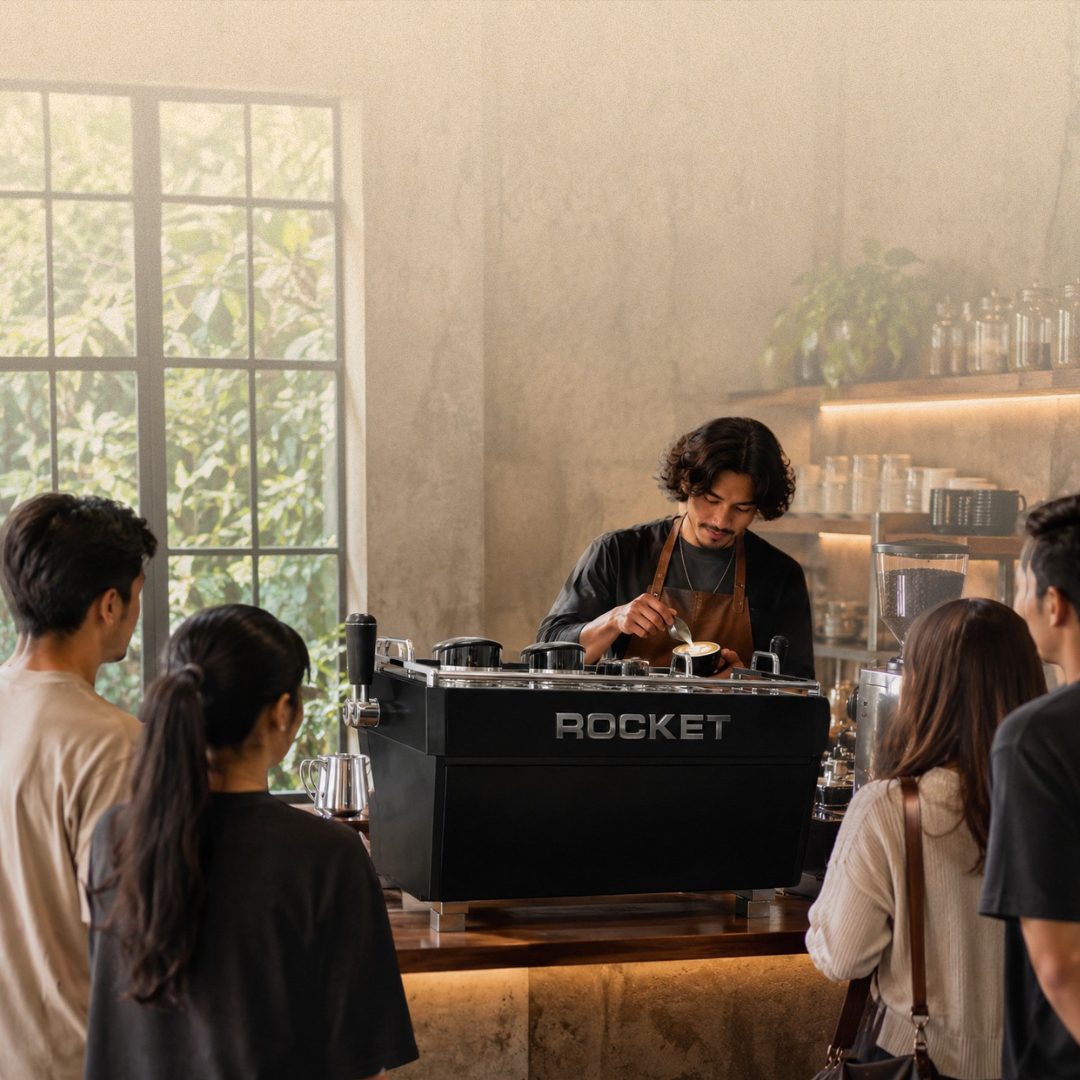
It is 8:40 am. Six cappuccinos are on the docket, the queue has spilled past the counter, and your barista is standing there waiting for the wand to build pressure again.
Every busy cafe in India knows this moment. Nothing has broken. The machine is simply being asked for more than it was sized to give.
Why Does a Steam Wand Struggle During Peak Hours?
The wand itself is rarely the culprit. It is a delivery point, not a power source. What it delivers depends entirely on the boiler sitting behind it.
Every jug of milk pulls steam out of that boiler. Pressure drops, cooler water enters, and the heating element works to bring everything back up. Steam one jug and this recovery is invisible. Steam eight jugs back-to-back and recovery becomes your bottleneck.
Your baristas notice it first:
- Milk takes noticeably longer to texture
- Foam turns thin, bubbly and dull instead of glossy
- The wand splutters or spits water at the start
- Latte art collapses on drinks that looked fine an hour earlier
The Role of the Steam Boiler in Cappuccino Preparation
A steam boiler coffee machine holds heated water under pressure and releases the steam above it through the wand. Boiler capacity decides how many drinks you can pull in a row before pressure starts sagging.
Indian menus lean heavily towards milk. Cappuccinos, lattes and flat whites all draw from the same reserve, and plant-based milks need a little more patience at the wand.
Common reasons steam performance drops
- Steam boiler capacity too small for a milk-heavy menu
- Simultaneous demand, with both group heads and the wand in use at once
- Poor machine sizing at the time of purchase
- No recovery time between drinks during a rush
- Incorrect configuration, such as pressure settings or the wrong steam tip
- Scale buildup from hard water and skipped maintenance
- Low steam pressure in an ageing or undersized boiler
How Machine Configuration Affects Peak-Hour Performance
Three configurations dominate commercial espresso machines, and they behave differently once the queue builds.
- Single boiler: one boiler handles brewing and steaming, so the barista switches between the two. Workable at low volumes, frustrating at peak.
- Heat exchanger: a brew line passes through the steam boiler, allowing brewing and steaming together. A sensible middle ground for many cafes.
- Dual boiler coffee machine: separate boilers for brewing and steaming, each at its own temperature. Best suited to milk-heavy, high-volume service.
For a professional cappuccino machine in a busy cafe, brewing and steaming at once is not a luxury. It keeps the queue moving.
Why Peak-Hour Demand Matters More Than Daily Volume
This is where sizing goes wrong. Owners buy against a daily average, then wonder why mornings feel chaotic.
Take a cafe serving 250 cups a day. Comfortable on paper. But 140 of those land between 8 am and 10 am, and roughly seven in ten are milk-based.
That is more than one cappuccino a minute for two straight hours. Size against 250 cups a day and you get one answer. Size against that window and you get a different machine.
Your busiest sixty minutes should drive the decision, not your daily total.
What to Look for in a Commercial Cappuccino Machine
- Steam boiler capacity matched to your milk menu, not total cups
- Steam recovery speed between jugs
- Boiler configuration: single, heat exchanger or dual
- Group heads, so two baristas can work in parallel
- Brewing and steaming simultaneously, without either suffering
- Durability under daily commercial use
- Ease of maintenance, including cleaning access and water treatment
- After-sales service and spare parts in your city
How Kaapi Solutions Can Help
Kaapi Solutions works with cafes, restaurants and hotels across India to match equipment to real service patterns: beverage menu, expected volume and peak-hour load rather than headline specifications. They also handle installation, water treatment, barista training and service support, which is what keeps steam performance steady over the years.
Conclusion
A struggling steam wand is a sizing and maintenance story, not a mystery. Match the boiler to your milk menu, respect recovery time, treat your water, and the 9 am rush stops feeling like a fight.
Planning an upgrade? Explore Kaapi Solutions’ range of commercial coffee machines or speak to their coffee experts about what your peak hour actually demands.
