


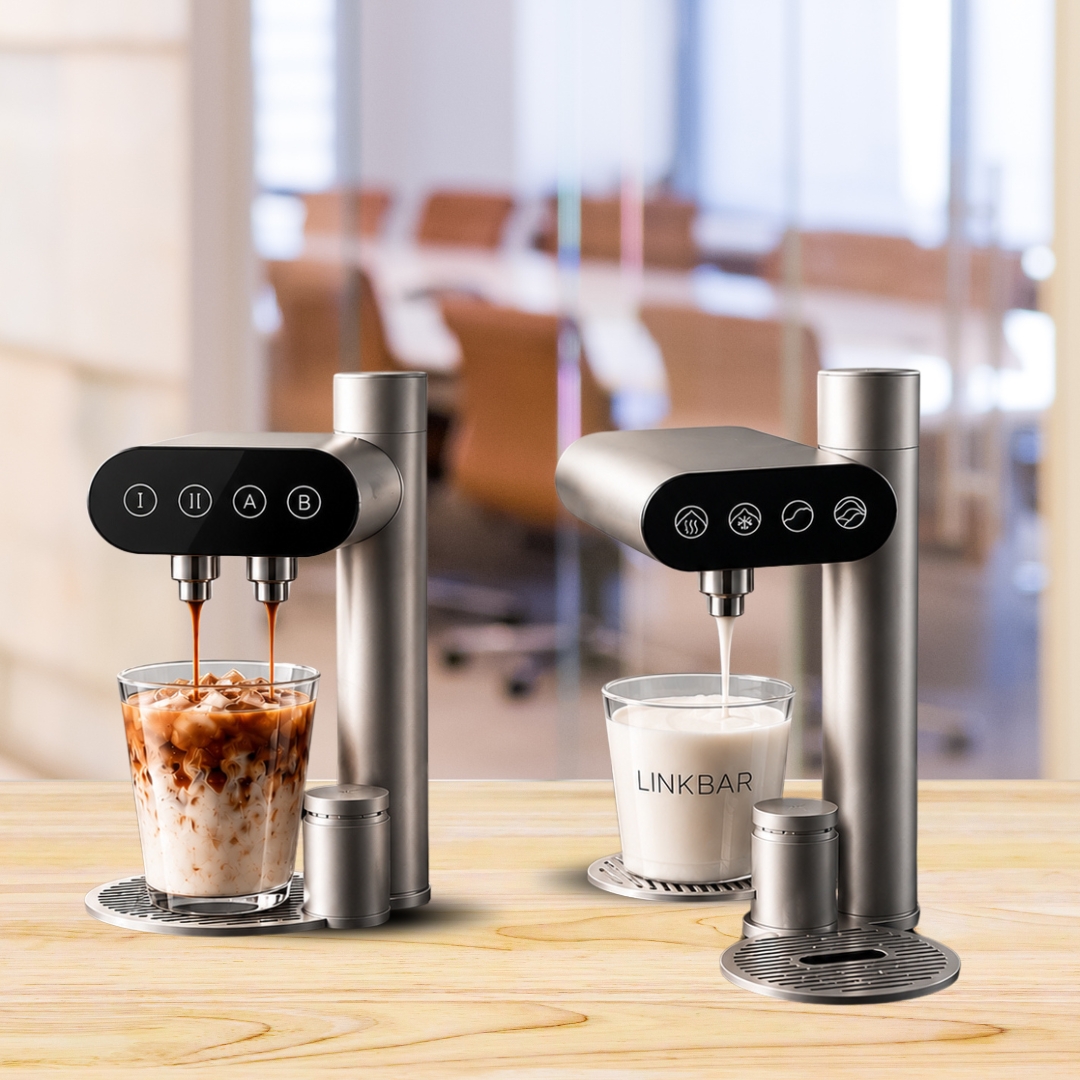
Walk into some cafés and you’ll notice something unusual: espresso appears beneath a compact brewing head, yet there’s no bulky machine on the counter. Much of the equipment is working underneath it. For café owners, this arrangement raises practical questions. Where does the water heat up? Who prepares the coffee? And what happens when the equipment needs servicing? Understanding the layout helps you look beyond appearance. Here’s what an under counter coffee machine does, how it works, and what to check before choosing one.
What Is an Under Counter Coffee Machine?
An under counter coffee machine separates equipment beneath the worktop from brewing heads or dispensing taps above. Under counter describes placement, brewing methods and automation vary. It’s purpose-built, rather than a conventional machine enclosed inside a cabinet.
What Are Its Main Parts?
Above the counter, expect a brewing head or tap, controls and drip tray. Below, components may include heating equipment, pumps, electronics and water connections. Steam and milk equipment depend on configuration.
How Does an Under Counter Coffee Machine Work?
Here’s how under counter coffee machines work in a typical portafilter setup.
Water Is Prepared
Incoming mains water passes through suitable treatment equipment. The heating system brings it to the selected brewing temperature. Treatment should match local water conditions and the manufacturer’s requirements.
The Barista Prepares Coffee in case of semi automatic
The barista grinds beans, doses the portafilter, distributes the grounds and tamps them. An under counter espresso machine still requires these skills. Moving equipment below the counter doesn’t remove the barista’s role in preparing a consistent shot.
Water Reaches the Brewing Head
Water travels through connections from the lower module. Temperature control matters along this route:
Espresso Is Extracted
Pressurised water passes through the coffee puck into the cup. Depending on the model, the operator stops the shot manually or uses programmed dispensing. Grind size and dose still influence what ends up in the cup.
Milk Is Prepared
A steam wand lets the barista texture milk manually. A dedicated milk system handles it differently; its settings and cleaning instructions are model-specific.
Are All Systems the Same?
No. Barista-operated systems use portafilters. One-touch configurations follow their own preparation methods. Linkbar Single Touch Coffee & Milk has independent units, touchscreen settings and steamless milk texturing, don’t assume an integrated grinder.
What Are the Benefits?
An undercounter coffee system opens customer sightlines and makes preparation more visible. Separate stations offer layout flexibility, although modules still occupy cabinet space.
Under Counter vs Conventional Countertop Machines
Consideration | Under counter | Conventional |
Placement | Modules below | Main body above |
Layout | Distributed stations | Consolidated equipment |
Space | Cabinet clearance essential | Counter footprint essential |
Installation | Cut-outs and routed connections | Utilities and placement |
Operation | Model-dependent | Model-dependent |
Quality | Equipment, coffee and skill | Equipment, coffee and skill |
Placement alone doesn’t determine coffee quality.
What Should You Check Before Installation?
Confirm counter dimensions, material, cut-outs, ventilation and service access. Check electrical capacity, water quality, pressure, filtration, drainage and tubing limits. Allow room for grinders, milk storage and daily cleaning tools. Match capacity to peak demand.
Agree the layout before counter fabrication through café setup consultancy.
How Do Cleaning and Maintenance Work?
Clean exposed components daily as directed. Portafilter cleaning differs from automatic coffee and milk routines. Follow the manual for backflushing, descaling, water-treatment maintenance and professional servicing.
Is It Right for Your Business?
Choosing a coffee machine for café, hotel or restaurant service means considering your menu, staffing, peak demand, space and budget. Explore My Espressino Under Counter Coffee Machine and Linkbar in Kaapi Solutions’ range, then discuss your layout.
Frequently Asked Questions
Does it need a separate grinder?
Usually, for portafilter systems/ semi automatic systems
Can it make cappuccinos and lattes?
Yes, with suitable milk equipment.
Does it save space in a small café?
Above the counter; cabinet space remains necessary.
Can it be installed in an existing counter?
Possibly, after checking structure and utilities.
Does it make better espresso than a conventional machine?
Layout alone doesn’t improve flavour.
What affects the total installation cost?
Equipment, counter alterations, utilities, water treatment and labour.
