

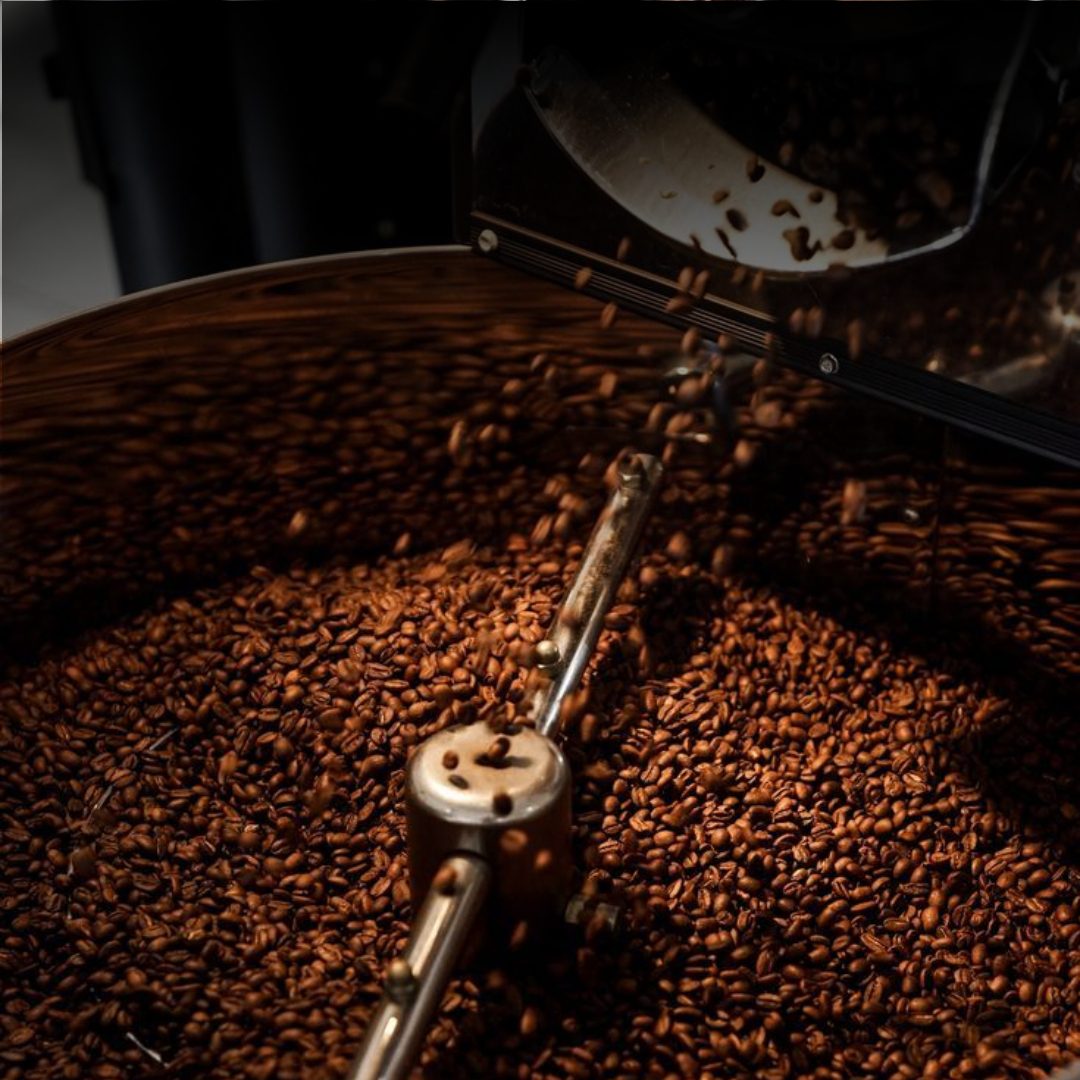
Walk into any specialty cafe in Delhi, Bengaluru, or Mumbai today and there’s a fair chance you’ll spot a gleaming roaster machine near the seating area, filling the room with the smell of freshly browned beans. It looks wonderful. It smells even better. And somewhere in your mind, a question starts brewing: should my cafe be doing this too?
It’s a fair question, and the honest answer is: it depends. In-house roasting can transform your margins, your menu, and your brand story. It can also quietly drain your time and capital if you jump in before you’re ready. This guide walks you through both sides so you can decide with clear eyes.
What Does an In-House Roaster Machine Actually Change?
Roasting your own coffee shifts you from being a coffee retailer to a coffee producer. Three things change immediately:
- Freshness control. Roasted coffee peaks within days to weeks. When you roast in-house, every espresso is pulled from beans at their best, and customers can taste the difference.
- Margin structure. Green (unroasted) coffee costs significantly less per kilo than roasted beans bought from a supplier. Over hundreds of kilos a year, that gap adds up.
- Brand identity. Roasted here, this morning is a story no competitor down the road can copy. It also opens a retail line — selling your own branded bags over the counter.
That’s the upside. Now let’s look at what it demands from you.
The Real Requirements of Roasting In-House
A commercial coffee roaster in India is not a plug-and-play appliance. Before you commit, you need honest answers on four fronts:
- Skill. Roasting is a craft. Charge temperature, airflow, drum speed, development time — each variable shapes the cup. Expect a learning curve of several months and a fair amount of sacrificed beans before your profiles are consistent.
- Space and ventilation. Roasters produce smoke and chaff. You’ll need proper exhaust ducting, clearance from your landlord, and in many cities, attention to local fire and pollution norms.
- Time. Someone has to source green beans, roast, cup, adjust profiles, and manage inventory. If your team is already stretched during service hours, this is a real operational load.
- Volume. This is the deciding factor for most cafes, so let’s give it its own section.
The Volume Question: When Does Roasting Make Sense?
A useful rule of thumb: if your cafe consistently uses 40–60 kg of coffee a month or more, in-house roasting starts becoming worth a serious look. Below that, the savings on green beans rarely justify the equipment, the labour, and the learning curve — you’re usually better off building a strong relationship with a local roaster.
Above that threshold, the maths begins to shift. And if you run multiple outlets, supply other cafes, or plan a retail bean business, a coffee roasting machine for cafe operations can become a genuine profit centre rather than an expense.
Buy from Supplier vs Roast In-House: Comparison Table
| Factor | Buying Roasted Beans | Roasting In-House |
| Upfront investment | Minimal — just inventory | Significant — machine, ducting, training |
| Per-kilo cost | Higher, includes roaster’s margin | Lower once volumes justify it |
| Skill needed | Brewing skills only | Roasting expertise + brewing |
| Consistency | Depends on your supplier | Fully in your control (eventually) |
| Freshness | Days to weeks after roast | Same-day fresh |
| Brand story | Limited | Strong and ownable |
| Operational load | Low | Meaningful — plan for it |
| New revenue streams | None | Retail bags, wholesale, subscriptions |
Choosing the Right Roaster Machine: What Actually Matters
If the volume and commitment boxes are ticked, here’s what to evaluate in a roaster machine — and note that specifications matter far more than brochure gloss:
- Batch capacity. Match the drum size to your realistic weekly volume, not your five-year dream. A machine that’s too large wastes energy on small batches; too small, and you’ll roast all day.
- Heat source and control. Gas roasters offer responsive control that most professionals prefer; electric machines suit locations where gas lines are impractical. Either way, look for precise temperature and airflow adjustment.
- Profiling software. Modern machines log every roast curve, letting you repeat a great batch instead of guessing. For a busy cafe, repeatability is everything.
- Build and serviceability. A roaster is a long-term asset. Ask about local technical support, spare parts availability in India, and installation assistance before you compare anything else.
- Emissions handling. Check chaff collection and smoke management. Some setups need afterburners or filters depending on your location and neighbours.
When you’re comparing cafe roaster price quotes, look past the sticker figure to the total picture: installation, ducting, training, green bean sourcing support, and after-sales service. A well-supported machine from an established supplier almost always costs less over five years than a bargain import nobody in India can service. You can explore the range of commercial coffee roasters available through authorised channels to see what fits your scale.
A Middle Path Most Cafes Overlook
Deciding isn’t all-or-nothing. Many successful Indian cafes take a staged route:
- Start by partnering closely with a local roaster and learning to cup and evaluate coffee seriously.
- Add a small-batch roaster for signature blends and retail bags while continuing to buy your workhorse espresso beans.
- Scale to full in-house production only once volumes, skills, and demand are proven.
This approach limits risk while building the roasting capability gradually. Pairing it with structured barista training ensures the quality you create at the roaster actually reaches the cup.
How Kaapi Solutions Can Help You Decide
Kaapi Solutions works with cafes, hotels, and roasteries across India on exactly this decision. Beyond supplying equipment from established international brands, the team offers cafe setup consultancy to assess whether in-house roasting fits your volumes and space, along with installation, technical service and support, and operator training once you commit. If you’re building a specialty cafe from the ground up, roasting can be planned into the layout from day one rather than retrofitted later.
Conclusion
Roast your own coffee if you have the volume to justify it, the patience to learn the craft, and the space to do it properly. Keep buying from a good roaster if your energy is better spent on service, consistency, and growing footfall. Both are winning strategies; the mistake is choosing based on romance instead of readiness.
Still weighing it up? Talk to the Kaapi Solutions team for an honest assessment of whether a roaster machine belongs in your cafe’s next chapter.
