


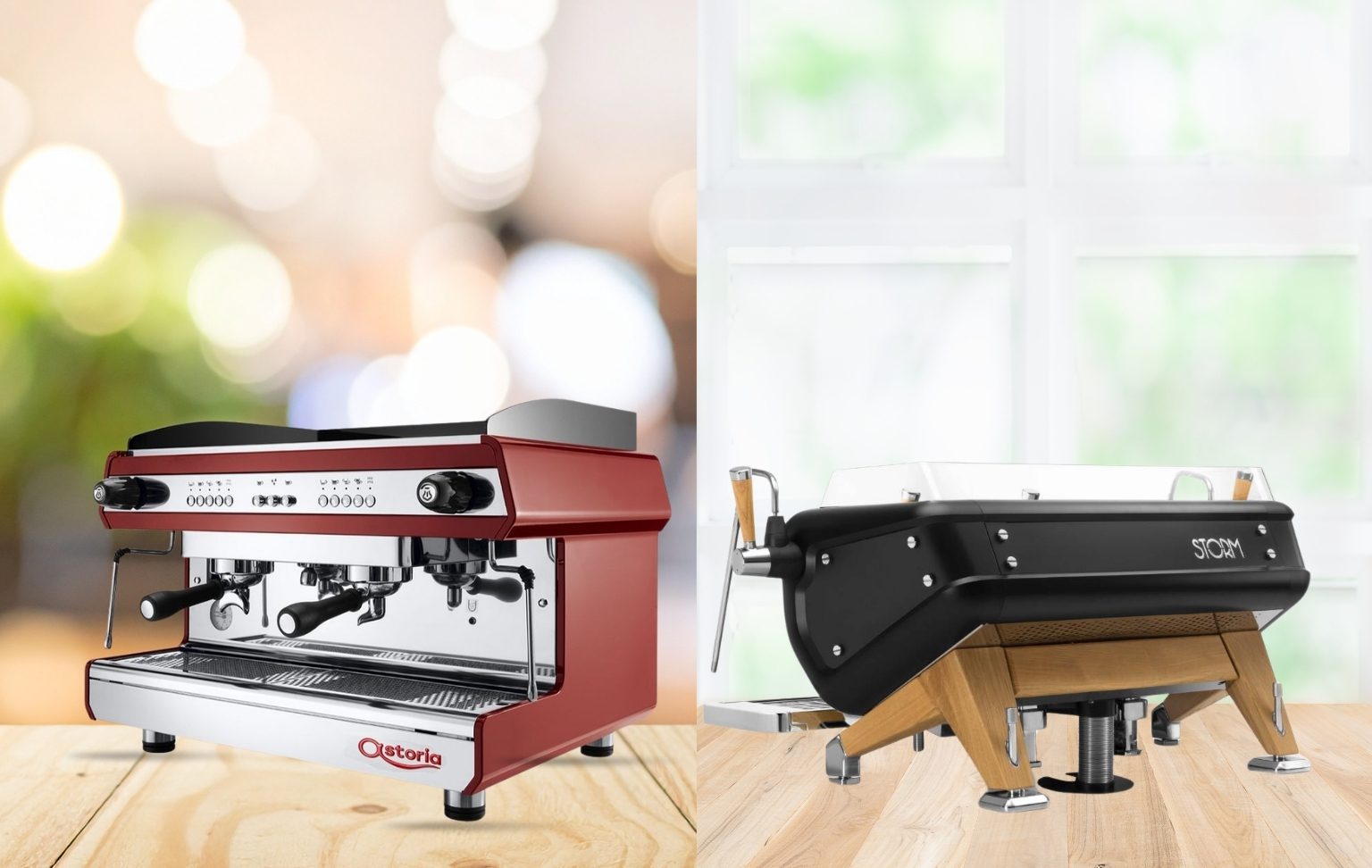
Walking into a kitchen appliance store often feels like wandering through a gallery where every chrome finish promises the most delicious morning. We often wonder why one box costs fifty dollars while another requires a significant investment just to sit on your counter. It feels a bit ridiculous to spend so much on a beverage maker.
The difference lies deep within the internal plumbing and the way these systems handle heat and pressure during the brewing cycle. A budget brewer gets the job done for a quick caffeine fix, but a premium model aims for something much closer to liquid gold.
Construction Materials and Long-Term Durability
Budget models usually rely on lightweight plastic parts that might warp or degrade after a few hundred pots of boiling water. High-end units swap those flimsy components for heavy-duty stainless steel, brass boilers, and copper piping to ensure the machine lasts for decades. These dense materials do more than just look pretty since they provide excellent thermal mass to keep water temperature steady throughout the process. When you feel the weight of a premium portafilter, you realize that the extra cost went into metal rather than silver-painted plastic.
- Stainless Steel Internals: These resist corrosion and mineral buildup much better than the aluminum found in cheaper, entry-level coffee machines.
- Brass Brew Groups: This metal retains heat exceptionally well so your second cup of coffee tastes just as hot as the first.
- Commercial Grade Seals: High-end gaskets prevent leaks and maintain a tight vacuum which is necessary for extracting flavor from finely ground beans.
Thermal Stability and Pressure Control
Cheap machines often use simple thermoblocks that fluctuate wildly in temperature, leading to coffee that tastes either burnt or sour and thin. Premium models utilize sophisticated electronic controllers and dual boilers to maintain a precise heat level within a single degree of your target. Consistency remains the goal here. If the water is too cold, the coffee stays weak, but if it is too hot, the grounds will taste bitter.
- Dual Boilers: These allow you to steam milk and brew espresso at the same time without losing any steam pressure.
- Rotary Pumps: Found in expensive gear, these run much quieter and provide a smoother flow compared to the loud vibrating pumps.
- Pre-infusion Cycles: Expensive units gently soak the grounds before applying full pressure to extract every hidden flavor note from the roast.
Precision in the brewing process ensures that you never waste a bag of expensive specialty beans on a poorly extracted shot.
The Convenience of Integrated Grinding
Paying more often buys a built-in burr grinder that measures beans to the gram for a perfect shot every single time. Cheaper setups require you to buy a separate grinder or use pre-ground coffee, which loses its freshness before you even get it home. Nothing beats the smell of beans crushed seconds before hitting the water. High-end grinders offer dozens of settings to adjust the coarseness, allowing you to fine-tune your drink based on the specific bean origin.
The logic behind the higher price point becomes clear when you taste the clarity and sweetness that only fresh grounds can provide. You spend less time cleaning up messy spills since the machine handles the entire path from bean to cup inside one enclosure. This level of automation saves minutes during a busy morning when you need to get out of the door quickly.
Deciding Which Investment Fits Your Lifestyle
A budget machine serves a functional purpose for a busy household where speed matters more than the subtle notes of a roast. Premium models offer a professional-grade experience that rewards the curious palate and turns a simple morning routine into a true ritual. If you value longevity and the science of a perfect extraction, investing in quality pays off in every single cup you pour. Choose the path that makes your mornings feel special.
Frequently Asked Questions
Can a budget machine make real espresso?
Basic models often use pressurized baskets to mimic the look of crema, but they lack the true atmospheric pressure of professional units.
Do premium machines require more maintenance?
Higher quality parts need regular descaling and cleaning to function, but they are much easier to repair than cheap disposable plastic versions.
Is the taste difference noticeable to everyone?
Casual drinkers might not care, but anyone who enjoys black coffee will immediately notice the lack of bitterness in a premium brew.
How long does a high-end machine last?
With proper care, a stainless-steel model can easily function for fifteen years, whereas budget units often fail after only two years.
Are manual machines better than automatic ones?
Manual units offer total control for enthusiasts, but modern automatics provide nearly the same quality with the simple push of a button.
