


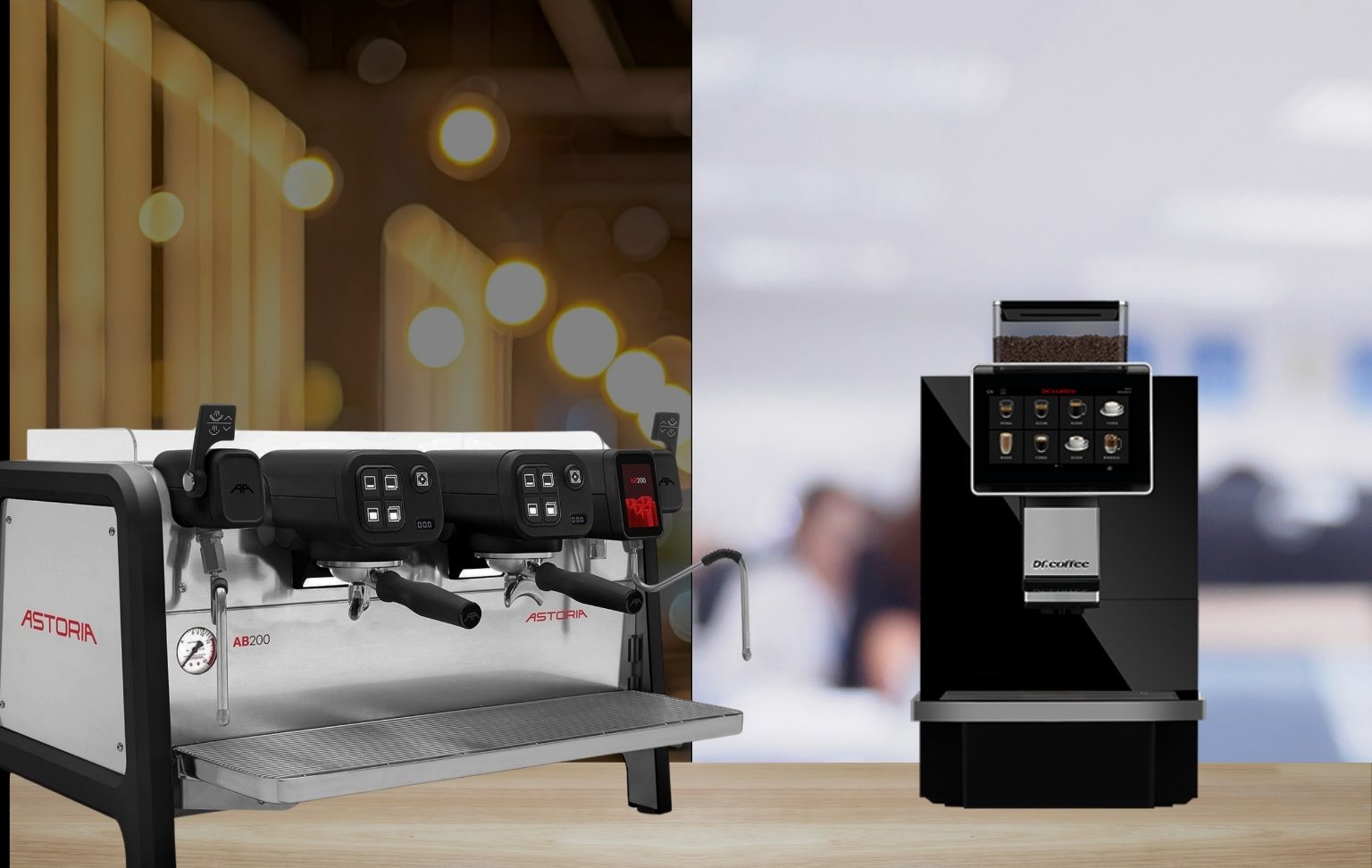
A coffee machine supports daily beverage service across workplaces and cafés where consistency directly affects customer satisfaction and employee productivity. You handle brewing tasks more confidently once you understand preparation routines and compensation adjustments that maintain stable extraction quality.
Every operator benefits from structured processes that reduce waste and maintain uniform taste during peak service hours. This guide explains practical operating steps that help teams manage volume service without compromising beverage quality or equipment performance.
Know Your Equipment Before Starting Operations
A Coffee machine for office environments usually prioritizes speed and repeatable brewing results that support teams during scheduled working hours. You must review control panels, water connections, grinder settings and dispensing systems before initiating daily beverage preparation routines. Teams achieve better workflow control once every operator understands machine response during continuous brewing cycles.
Prepare Ingredients and Machine Conditions
A coffee machine for cafe service demands fresh beans with accurate grinding levels and stable water temperature before the first extraction cycle begins. You should flush group heads, warm internal components and confirm grinder calibration before serving any beverage to staff or customers. Clean portafilters and check milk systems carefully since residue buildup changes flavor balance during extended service periods.
Steps to Brew a Perfect Cup of Coffee
- Fill the water reservoir and confirm pressure indicators show stable operating levels before activating heating and brewing functions.
- Grind coffee beans according to beverage type and distribute grounds evenly to promote balanced extraction during each brewing cycle.
- Lock the portafilter firmly into position and start extraction while observing flow rate and crema development carefully.
- Stop extraction within recommended timing and clean the group head immediately to maintain hygiene and stable performance consistency.
Compensation Techniques for Consistent Extraction
Compensation adjustments help operators maintain stable results when demand fluctuates across shifts using a commercial system. You adjust grind size dose quantity and extraction timing whenever taste variations appear during high usage periods in an office setup. Operators monitor shot timing continuously and recalibrate settings whenever humidity temperature or bean freshness changes during operational hours.
Managing High Volume Café Service Efficiently
The workflow of a coffee maker in a cafe requires coordinated teamwork where brewing grinding and milk preparation occur in synchronized operational sequences. You assign clear responsibilities so operators maintain steady output without interrupting extraction rhythm or beverage preparation timelines. Frequent rinsing cycles and organized workstation layouts support faster turnaround without sacrificing beverage accuracy during busy serving periods.
Conclusion
A well operated Coffee Machine delivers reliable beverage quality when teams apply structured preparation methods and accurate compensation practices consistently. You improve operational efficiency through routine calibration, cleaning discipline and attentive monitoring during every brewing session.
Clear workflows help office teams and café staff maintain service standards across changing demand levels. Consistent practice strengthens operator confidence and supports dependable beverage outcomes across professional coffee service environments.

1 Comment
aaabetplataformaapp
The app version is a game changer. I can play wherever I want without any glitches. Seriously, download aaabetplataformaapp right now.